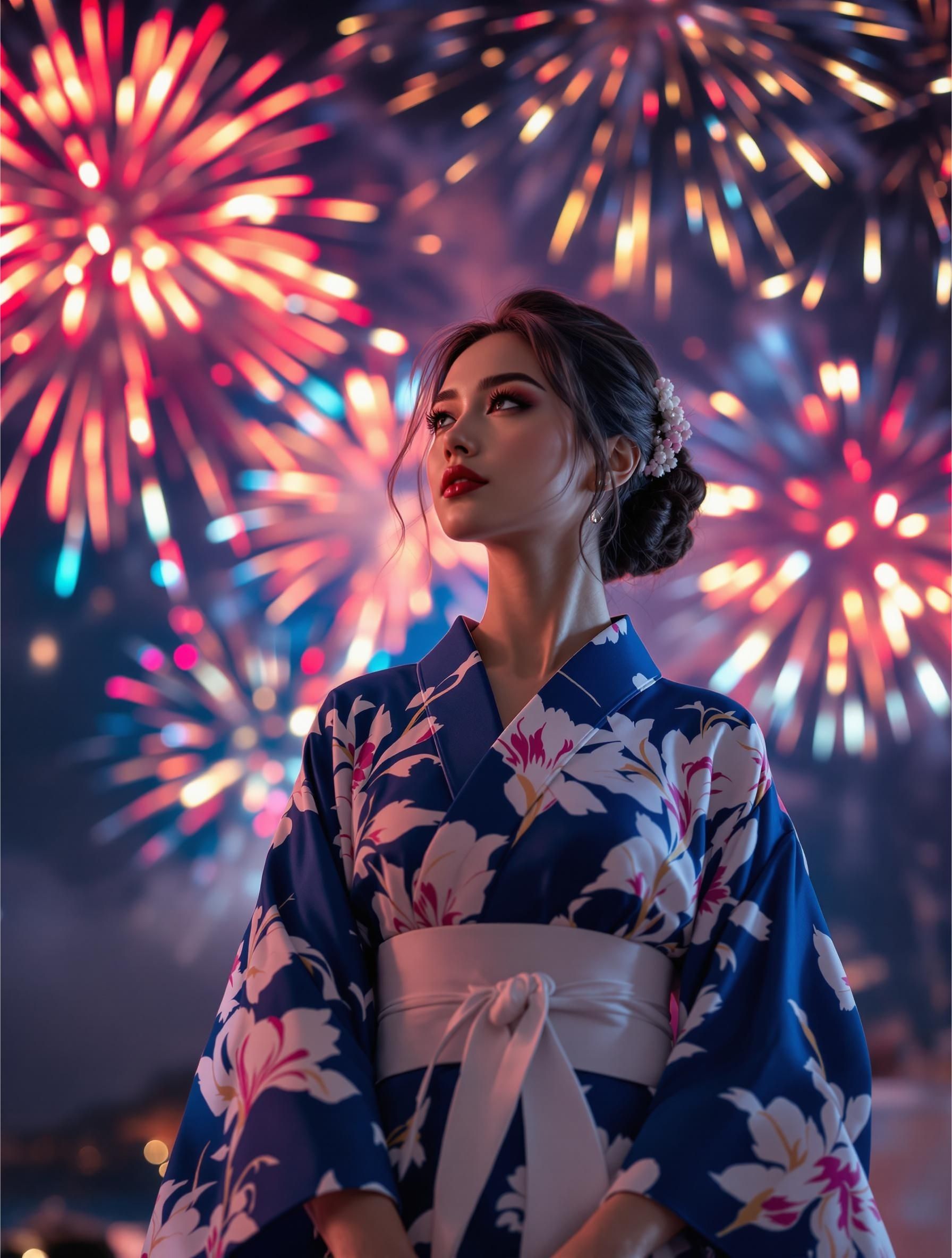
The Enchanting World of Kimono
For over 1,000 years, the kimono has been Japan’s most iconic garment. This symbol of cultural identity represents the pinnacle of Japanese craftsmanship.
From everyday attire to ceremonial dress, the kimono continues to hold profound significance in modern Japan.
History of Kimono
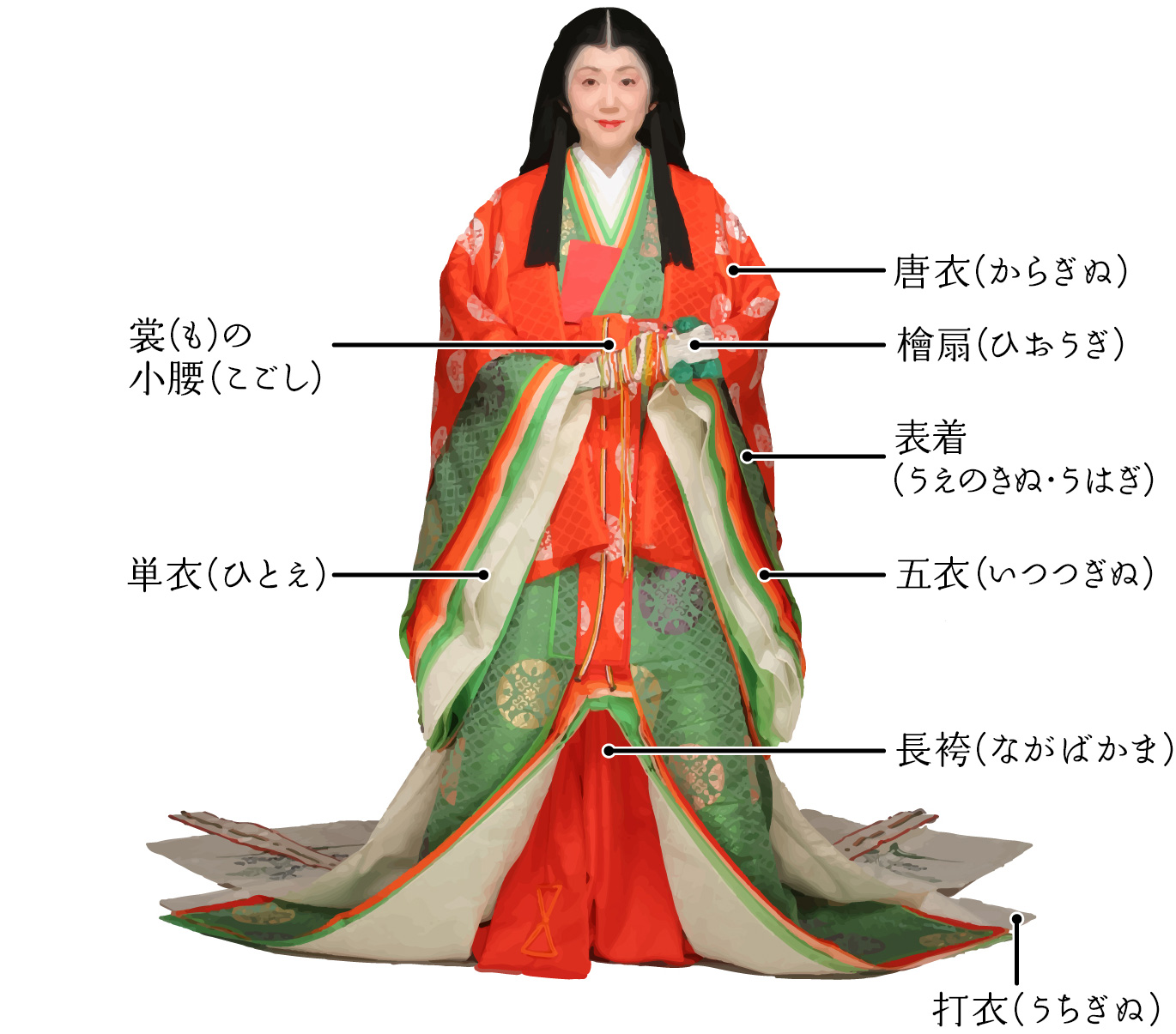
Juunihitoe of Heian Period

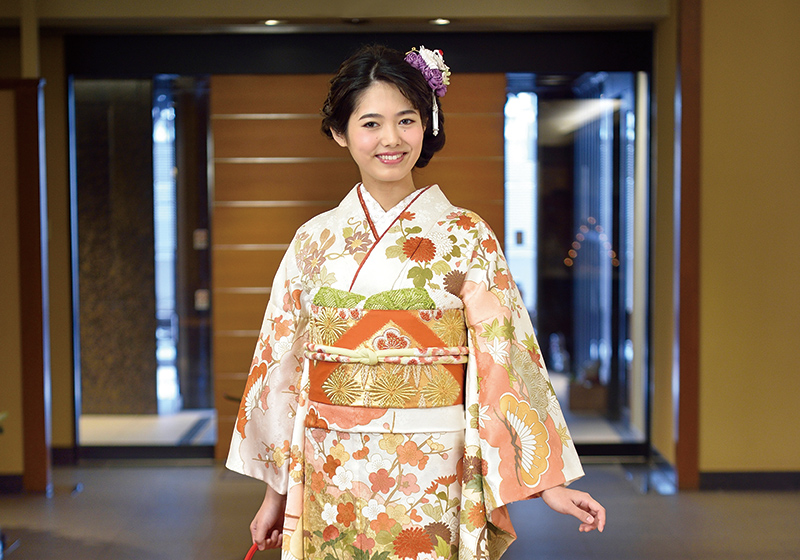
Elegant Furisode
Traditional Dyeing Techniques
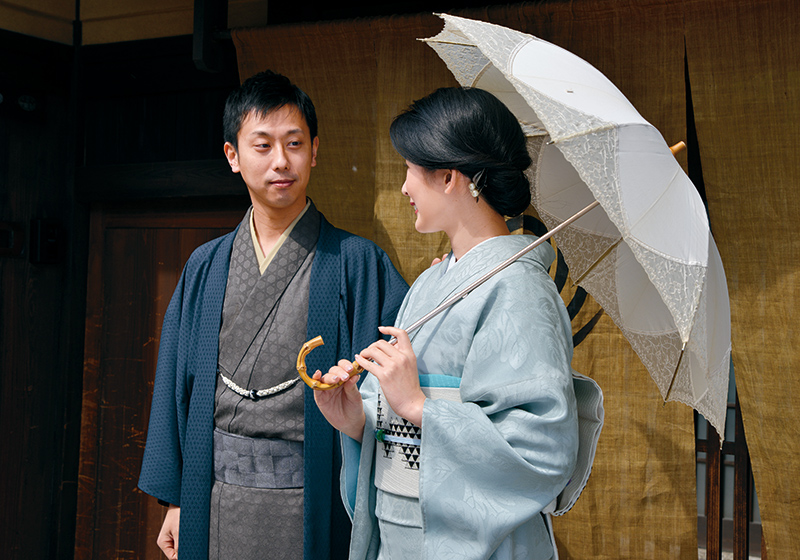
Modern Kimono Heritage
Evolution of Kimono
With over 1,300 years of history, kimono has evolved over time while reflecting Japanese aesthetics and cultural life, and continues to be carefully preserved to this day.
Jomon & Yayoi Periods
The first Japanese garments were 'Ryoto' and 'Tani'. These were primitive forms where cloth was wrapped around the body and tied at the waist.
Nara Period (710-794)
Clothing culture imported from China evolved to suit Japan's climate and lifestyle. Garments that reflected the social class system developed during this period.
Heian Period (794-1185)
The prototype of modern kimono emerged during this period. A layered clothing culture, represented by the twelve-layered Juunihitoe, flourished, and kosode (small-sleeved kimono) developed.
Muromachi & Sengoku Periods
With the rise of samurai society, practical kimonos developed. Kosode became more common among people.
Edo Period (1603-1868)
The era when kimono culture flourished the most. Dyeing techniques, such as Yuzen, developed, and kimono culture spread among common people.
Meiji Era to Present
Due to westernization, everyday clothing shifted to Western attire. Kimonos are now preserved as formal wear for special occasions and as traditional culture.
Types and Characteristics of Kimono
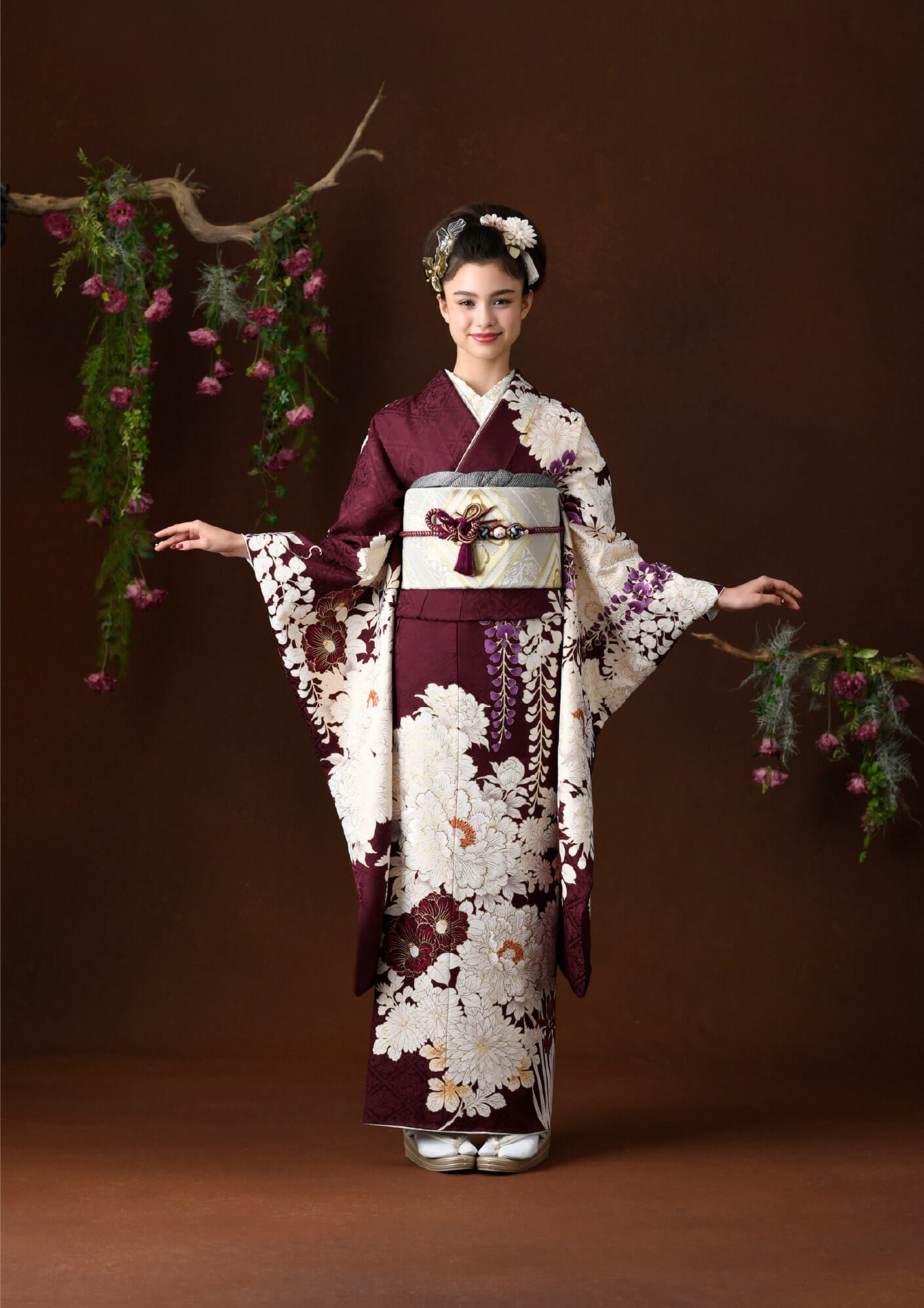
振袖 Furisode
Formal attire for unmarried women. Features long sleeves and vibrant patterns. Worn at coming-of-age ceremonies and weddings.
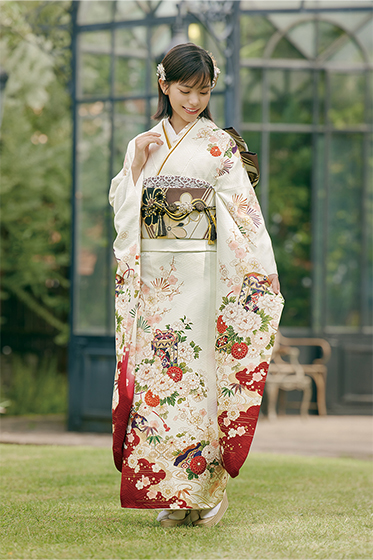
留袖 Tomesode
Formal attire for married women. The black tomesode is the most formal with five family crests. Worn at family weddings.
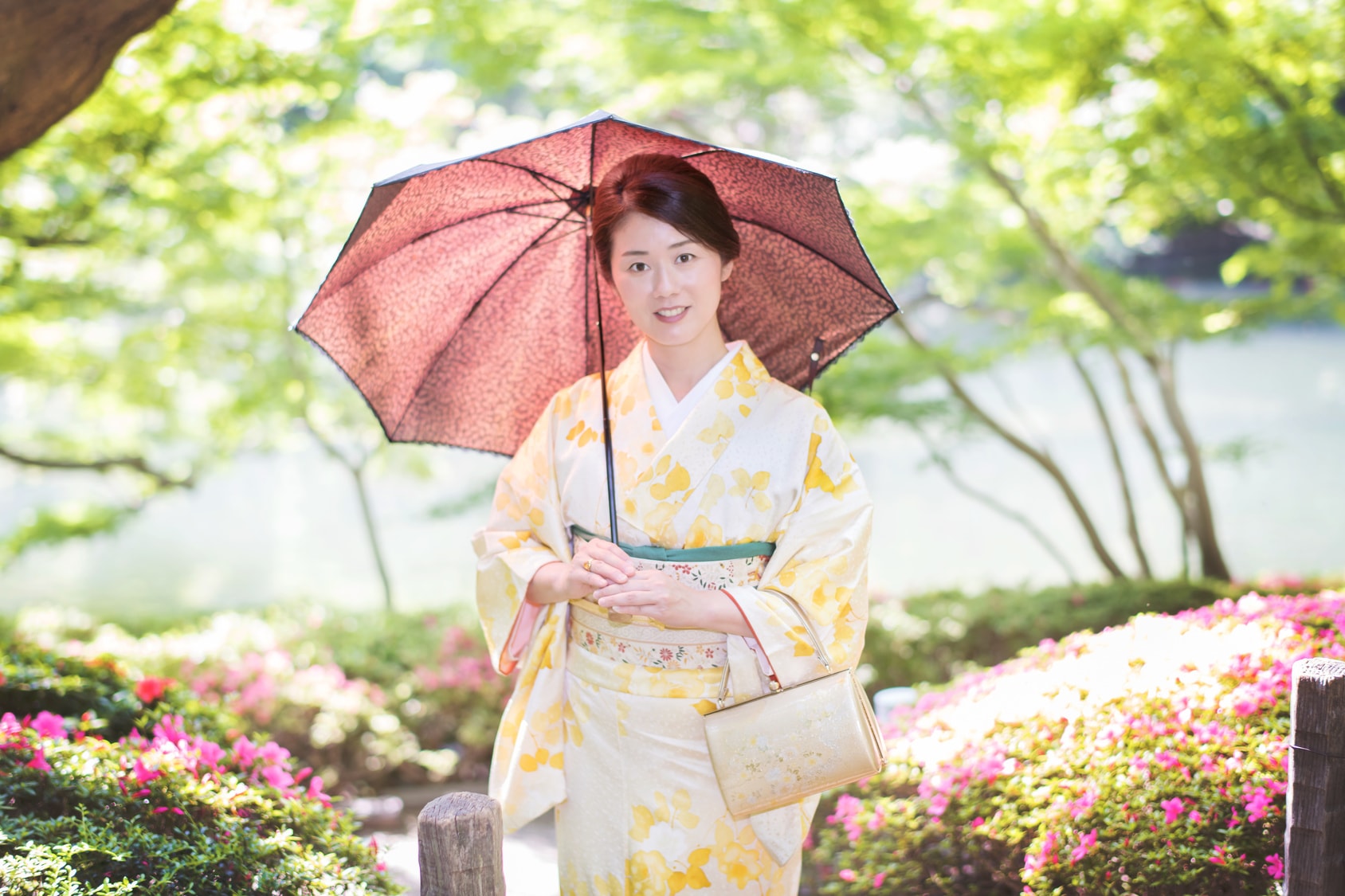
訪問着 Homongi
Semi-formal wear for both married and unmarried women. Patterns flow from hem to shoulder, ideal for parties and ceremonies.
浴衣 Yukata
Casual summer kimono. Made of cotton, light and easy to wear. Perfect for summer festivals and firework displays.
Selecting Kimono by Seasons and Events
In Japanese kimono culture, choosing patterns and colors that match the season and occasion is important. It expresses the changing of nature and celebrates the seasonal atmosphere.
Spring Attire
Cherry blossoms, young leaves patterns, light pink and fresh green colors
Summer Attire
Cool water patterns, light blue and white colors that provide a refreshing feel
Autumn Attire
Autumn leaves and chrysanthemum patterns, red and amber colors with warm tones
Winter Attire
Snow and pine patterns, deep purple and navy colors with subdued elegance

Symbolism in Kimono
Patterns and colors in kimono have deep symbolic meanings. Cherry blossoms represent 'the fragility and beauty of life', pine trees symbolize 'longevity', expressing Japanese views of nature and aesthetics.
Places where you can experience wearing kimono
Kimono rental shops
There are many in tourist areas such as Kyoto and Asakusa. They can help you with everything from dressing to hair styling.
Cultural experience facilities
There are facilities where you can try on kimonos and experience tea ceremony and flower arrangement. You can learn about traditional Japanese culture in a comprehensive way.
Recommended spots
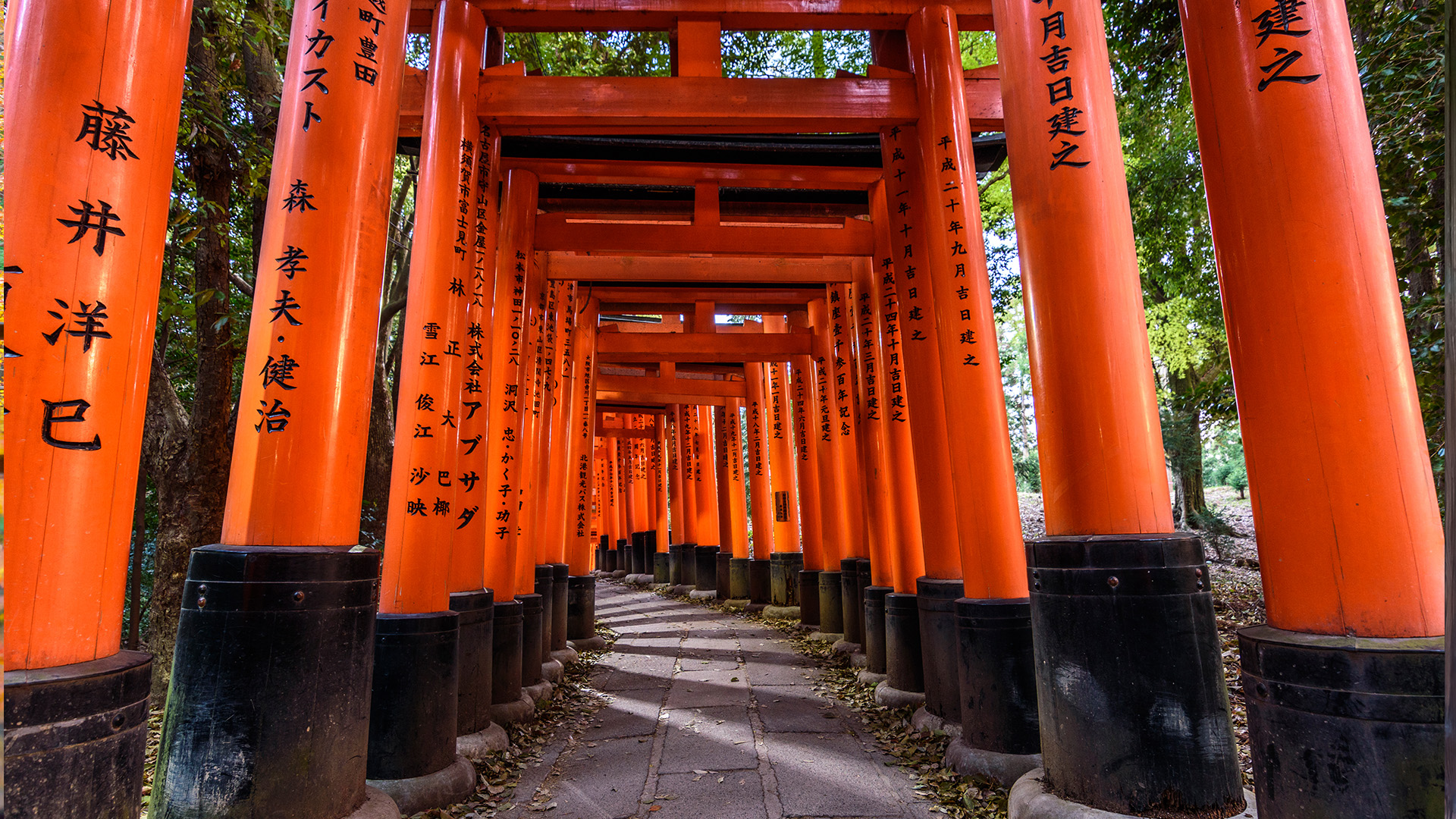
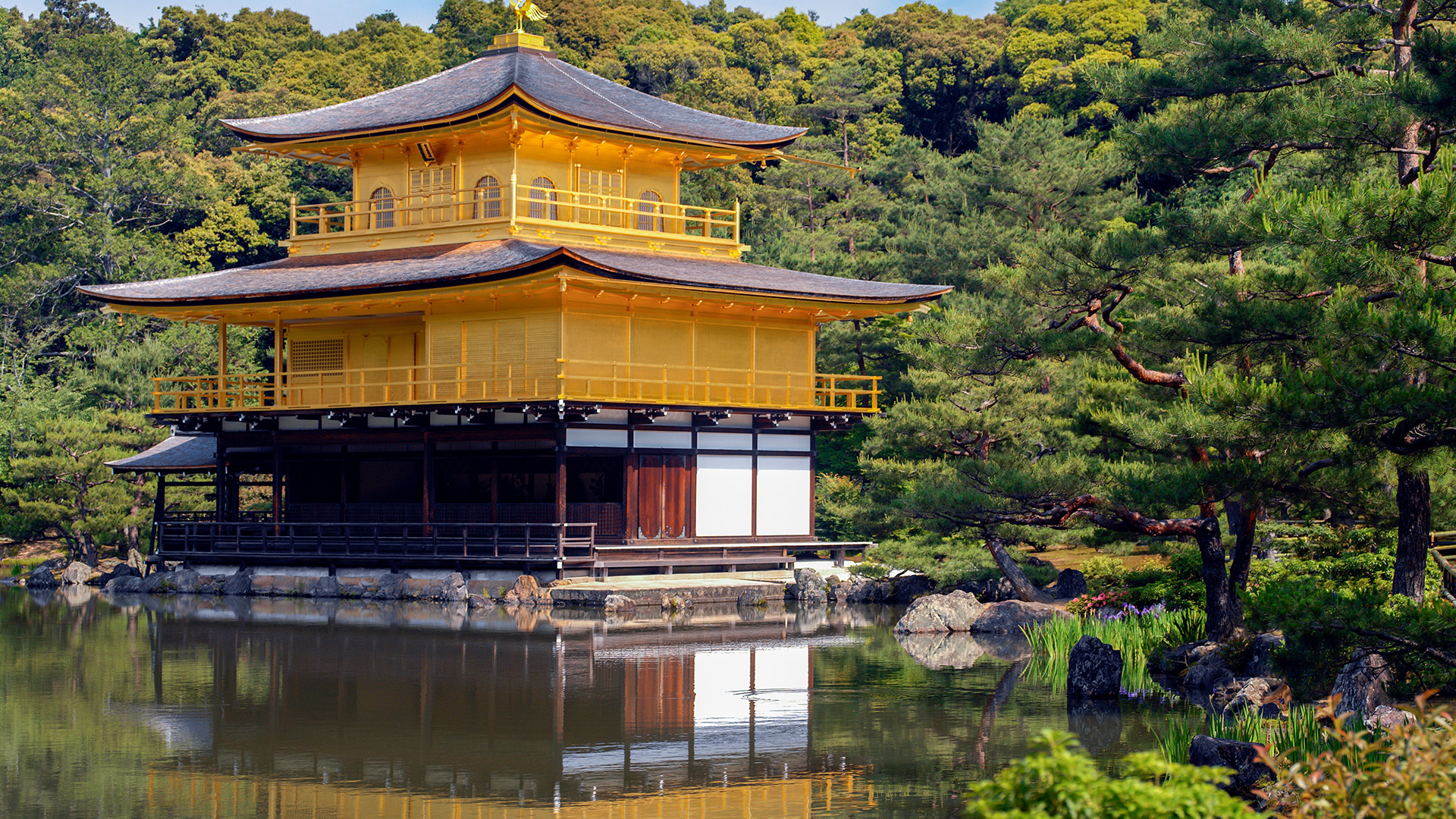
You can take more atmospheric photos by visiting places like Kinkakuji Temple and Fushimi Inari Taisha Shrine in a kimono.
Most Popular Virtual Studio
in Japan
Studio Q
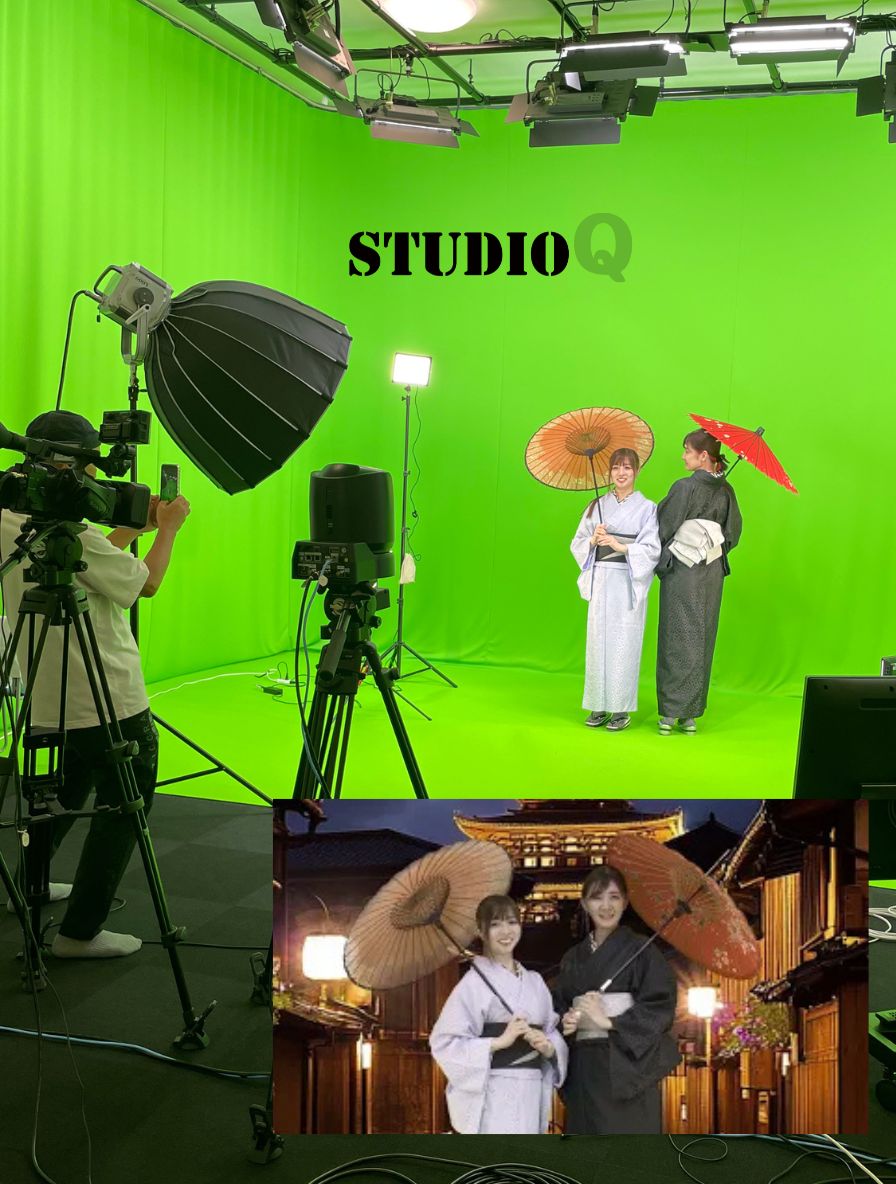
About Our Service
Enjoy creating your own original kimono fashion by coordinating fashionably designed kimonos with obi and accessories!
We are happy to provide dressing services as well.
Choose a beautiful Japanese virtual background and enjoy taking composite photos.
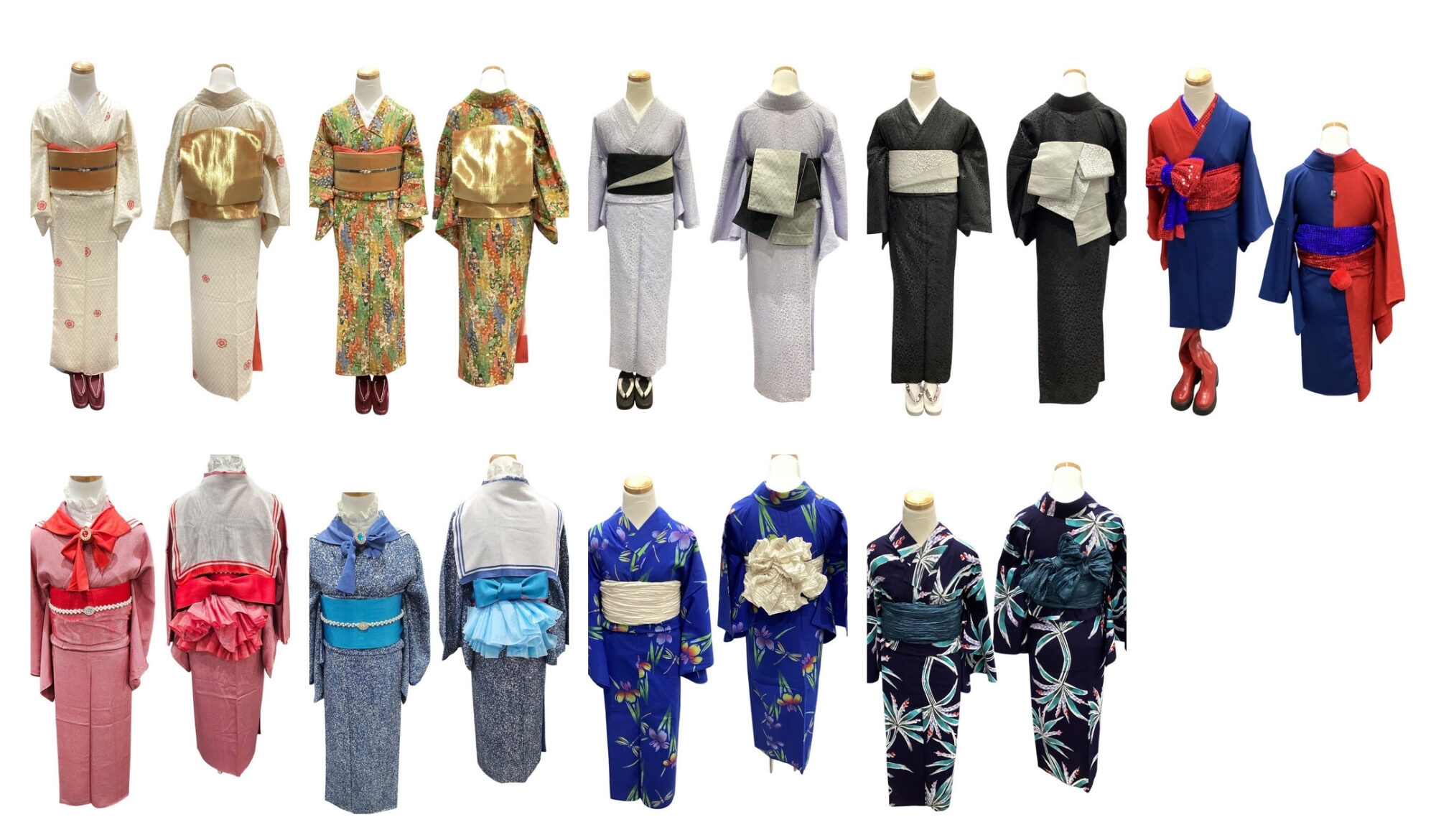
You can choose fashionable kimonos and coordinate them by professional kimono staff.
Choose your favorite kimono from about 10 stylish designs!
Professional staff will dress you, so you can rest assured.
Choose a beautiful Japanese virtual background and enjoy your composite photo.
You can freely choose your favorite background
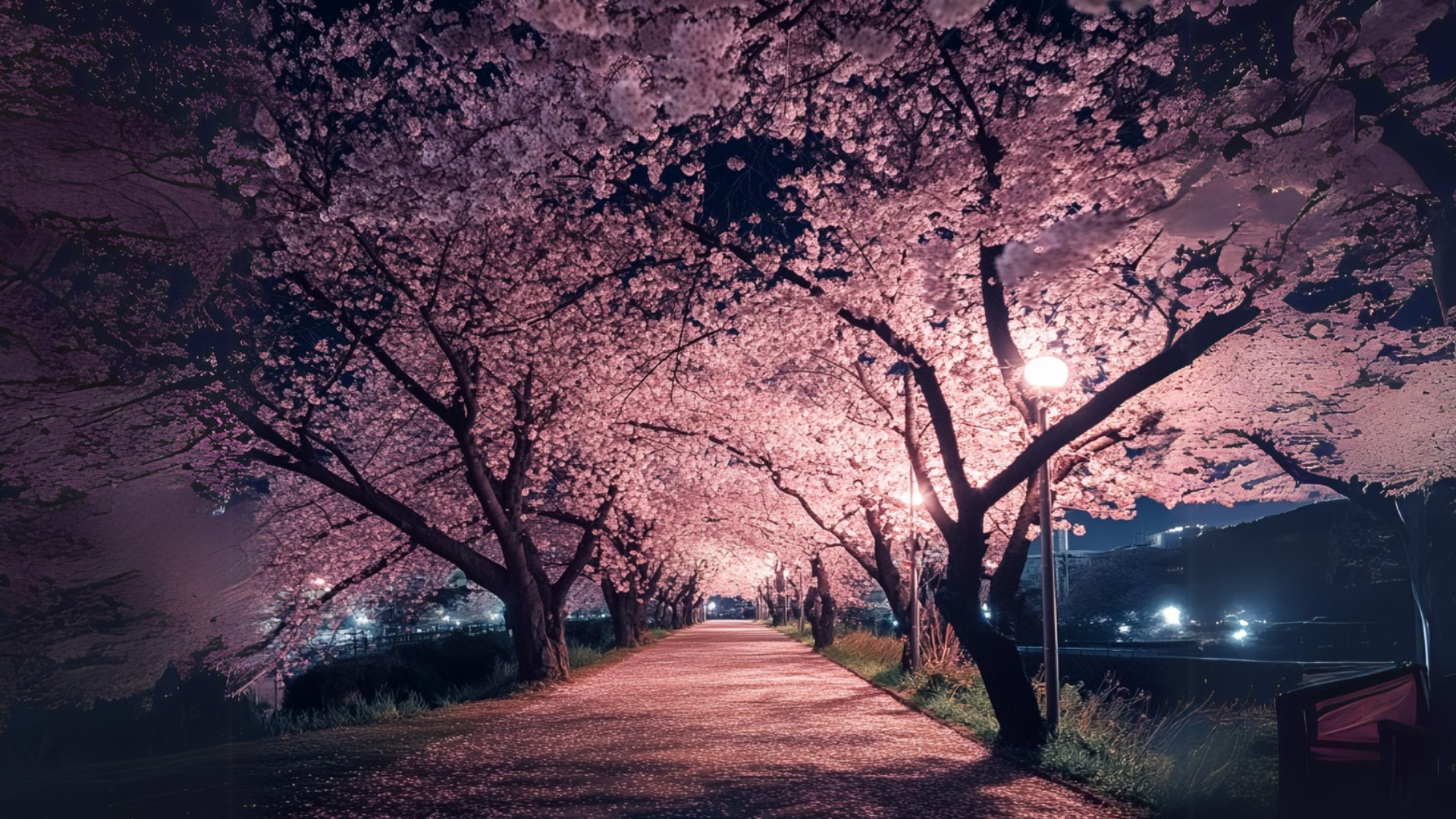
You can freely choose your favorite background from hundreds of images.
There is a wide range of options, from beautiful Japanese landscapes, historical sites, modern cityscapes, and even fantastical anime-style backgrounds created using AI and CG.
This allows you to create your own original scene.
The images you choose will be composited into the background in real time in the photography studio, and a professional operator will set the optimal composition and lighting to capture a memorable scene.
There is no limit to the number of pictures you can take within an hour!

As long as the shoot is within one hour (including time to choose a kimono, get dressed, and compose the background), there is no limit to the number of photos you can take.
You can enjoy taking poses and scenes that you want to remember as long as you want, and you can repeat the shoot with various angles and compositions.
Our professional staff will also respond to any requests on the spot to provide you with the best shots.
After the shoot, you will be given all the photo data on the spot, so you can share your memories immediately or save them in an album.
Service Fee

The regular price is 12,000 yen, but you can get a special price if you share the photo and movies on social media.
The price is per hour.
As many people as you like can enjoy the video shooting within the time limit.
The fee for this service is 12,000 yen (tax included) for one hour (including kimono selection, dressing, background composition, and photo shoot).
This fee includes the cost of kimono rental and dressing, background image usage, and photo shoot by professional staff.
In addition, there is no limit to the number of photos you can take within the shooting time.
After the shoot, you will receive all photo and video data immediately.
Don’t miss this opportunity to experience special memories at a reasonable price. Book now and create fashionable Japanese memories!
Location
Studio Q
〒556-0003
2F, 3-2-4 Ebisu-nishi, Naniwa-ku,
Osaka City, Osaka Prefecture
Nearest station
Osaka Metro(Subway)
Midosuji-Line・Sakai-suji Line
Doubutsuenmae Station
No.6 exit (4min walking)
JR Line
Shin-Imamiya Station
4min waking
TEL 06-6978-8122